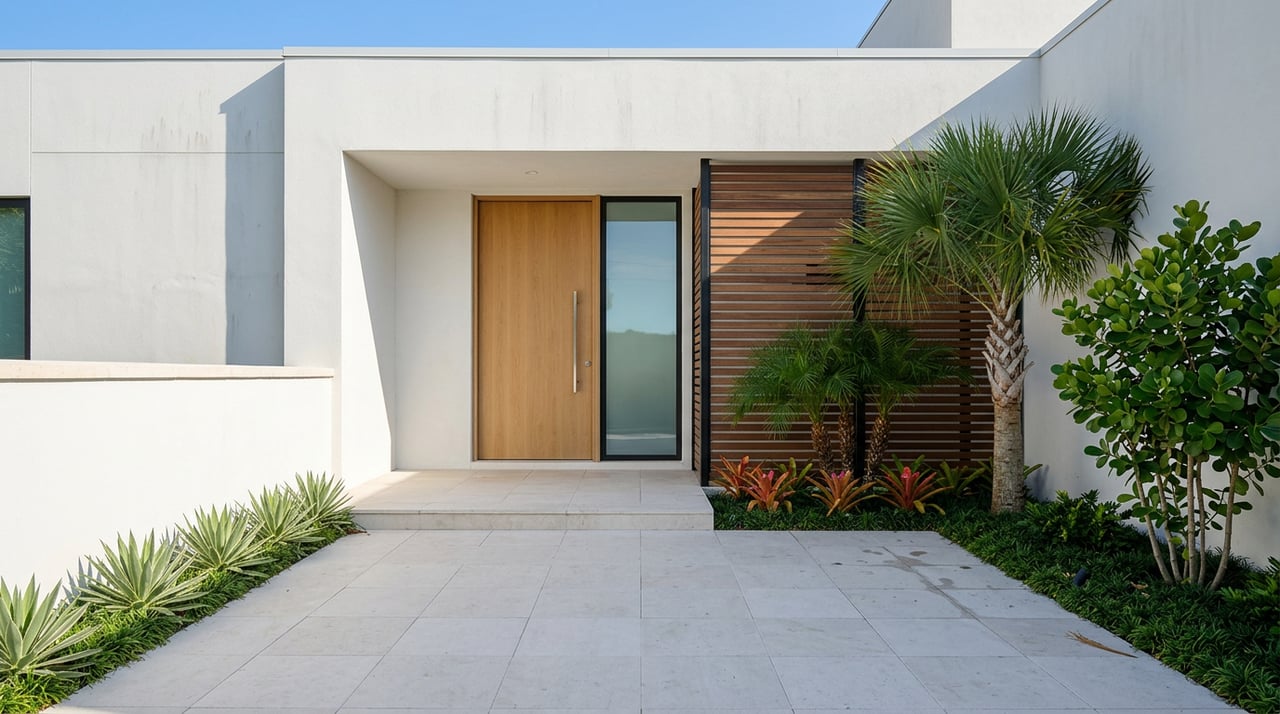
Buying A Low-Maintenance Second Home In Venice
You want a sunny Gulf Coast base you can enjoy on your schedule without spending your visits on chores. If Venice has been on your radar, you’re not alone. Many seasonal owners choose this walkable beach town for its compact island downtown, easy access to shoreline, and strong services for part‑time residents. In this guide, you’ll learn how to buy a truly low‑maintenance second home in Venice, what “lock‑and‑leave” ownership really includes, and the local rules worth checking before you write an offer. Let’s dive in.
Venice pairs small‑town charm with practical advantages for part‑time living. On Venice Island, you can walk to beaches, the pier, cafes, and parks, which keeps quick trips simple. The city keeps residents informed on coastal topics through its official resources, including hurricane guidance and beach information that help seasonal owners plan well. You can explore those resources on the City of Venice website.
Demographics also support a strong seasonal community. According to U.S. Census QuickFacts, Venice has a sizable share of residents aged 65 and older and a population that swells during winter months. That means you’ll find services tailored to second‑home owners, from home watch to property management, along with a housing stock suited to lock‑and‑leave living.
Finally, travel logistics are straightforward. You have multiple regional airport options, and many neighborhoods are within a short drive of beaches, dining, and shopping. For buyers who split time between states, that convenience matters.
Low‑maintenance does not mean no maintenance. The right condo, villa, or townhome will reduce exterior chores and simplify hurricane prep, but you still carry certain responsibilities. Here are the essentials to understand before you buy.
Florida’s Condominium Act and HOA law define how associations operate, disclose records, and fund common expenses. In many Venice condos, the association handles exterior structure, roofs, common areas, landscaping, pools, and certain building systems, then insures the shared property under a master policy. Owners typically handle interior repairs and personal property. The exact split lives in each community’s governing documents. You can review the relevant statutes at Florida’s Condominium law and the HOA records and budgets statute.
Key takeaway: read the declaration, bylaws, budget, and recent minutes before you commit. Look for clarity on what your monthly dues include, how reserves are funded, and whether any major projects are planned.
Condo associations must carry adequate property insurance for the condominium property. That master policy often covers the building structure, while you, as an owner, carry a unit policy that covers your interiors, belongings, liability, and often loss‑assessment coverage. Always confirm whether the master policy is bare‑walls or walls‑in, and note the wind or hurricane deductible so you can size your loss‑assessment coverage. The governing rules are described in Florida Statute 718.111.
Florida’s insurance market has been in flux, with recent updates signaling some stabilization and movement between state and private carriers. Premiums vary by location, building features, claims history, and flood exposure. Review the latest statewide context from the Florida Office of Insurance Regulation, then get quotes from a licensed agent for the specific property you plan to buy.
If you are considering a condo in a building three or more stories tall, Florida now requires milestone structural inspections and structural integrity reserve studies. Older buildings had firm deadlines for initial inspections. These reports must be available to owners and prospective buyers, and they can affect reserves, special assessments, and resale value. Ask the association for the most recent inspection results and related reserve study. You can learn more about the statewide framework in the SB 4‑D building safety analysis.
Flood requirements depend on FEMA flood maps. If your property lies in a Special Flood Hazard Area, lenders will usually require flood insurance. Even if a lender does not require it, many coastal owners opt for coverage for peace of mind. Check a specific address using the FEMA Flood Map Service Center, and ask whether an elevation certificate is available.
Hurricane season runs June through November. For a true lock‑and‑leave setup, verify whether your building has impact windows or shutters, whether the association deploys and stores shutters, and who pays for that service. The City of Venice provides seasonal guidance and preparedness resources you can use as a planning checklist.
Different product types offer different levels of ease. Here are the most common low‑maintenance options you will find in and around Venice.
Condos on or near Venice Island offer the simplest lock‑and‑leave lifestyle. Associations often handle exterior care, landscaping, pools, elevators, and building systems. Many buildings also have on‑site or contracted managers who coordinate maintenance while you are away. Expect higher HOA dues in coastal or mid‑rise buildings due to building insurance and required reserves, and always review the master policy and recent reserve history before making an offer.
If you prefer a single‑family layout with less yard work, look to newer villa and single‑family neighborhoods in master‑planned areas like Wellen Park and the West Villages. Many communities include lawn care, irrigation, and exterior upkeep in the HOA, plus resort‑style amenities that make seasonal living easy. Explore active neighborhoods and amenities at the Wellen Park neighborhoods page.
Townhomes and patio homes can split the difference. You enjoy more privacy than a traditional condo with lower exterior maintenance than a detached house. In resort‑style developments, you may also find community pools, clubhouses, and walking paths that are maintained by the association. As always, verify what is covered, how often exteriors are painted, and whether roofs are association or owner responsibilities.
This is the heart of walkable Venice. You will find low‑ to mid‑rise condos within a short stroll of beaches, the pier, shopping, parks, and dining. For older buildings, request the latest structural inspection and reserve study, plus any notes on elevator or roof timelines.
These newer master‑planned neighborhoods offer villas, townhomes, and single‑family homes with modern layouts and exterior maintenance plans. Many also include fitness centers, pools, and trail networks. If you want a contemporary home base with minimal yard work, this area is a strong candidate.
Nearby keys and coastal corridors deliver the fastest access to the Gulf. For coastal and island properties, prioritize flood‑zone verification, storm‑hardening features like impact windows, and clarity on parking, storage, and any rental restrictions. Long‑term resilience planning is active across Sarasota County, which is useful context for coastal buyers.
Property taxes vary by taxing district and assessed value. Use the Sarasota County Property Appraiser and Tax Collector resources to estimate annual taxes and review millage rates before you buy. The Tax Collector’s office outlines the process here: Sarasota County property tax overview.
If you plan to rent your property while away, research rental rules early. Rules can differ by city, county, and state requirements. Your association may limit minimum stays or the number of leases per year. The city or county may require registration, inspections, and tax remittance, and the state may require a lodging license depending on the rental configuration. A good starting point is this overview of Venice short‑term rental regulations, then confirm details directly with the city and your HOA.
Use this quick checklist to avoid surprises and confirm you are getting a true lock‑and‑leave home:
You deserve a low‑maintenance retreat that feels effortless from day one. Our team guides you to the right product type for your lifestyle, narrows the search to communities with solid financials, and coordinates the key diligence: HOA document requests, insurance and flood conversations, and clarity on building safety reports when applicable. You get a calm, confidential, and streamlined process aligned with your timing.
When you are ready to explore lock‑and‑leave options in Venice, schedule a private consultation with Taylor Thompson. We will refine your brief, curate on‑ and off‑market opportunities, and help you purchase with confidence.

Blog
Discover seven of the best private and semi-private golf clubs in the Sarasota area, with course highlights, membership details and local links.

Blog
Explore seven of the best places to play pickleball in Sarasota, including indoor courts, lighted parks and options on Siesta Key and Longboat Key.
Our community searches will keep you up to date with the latest properties in the areas you are interested in. We will help find you your little piece of paradise from golf to gulf and everything in between. Contact us today!