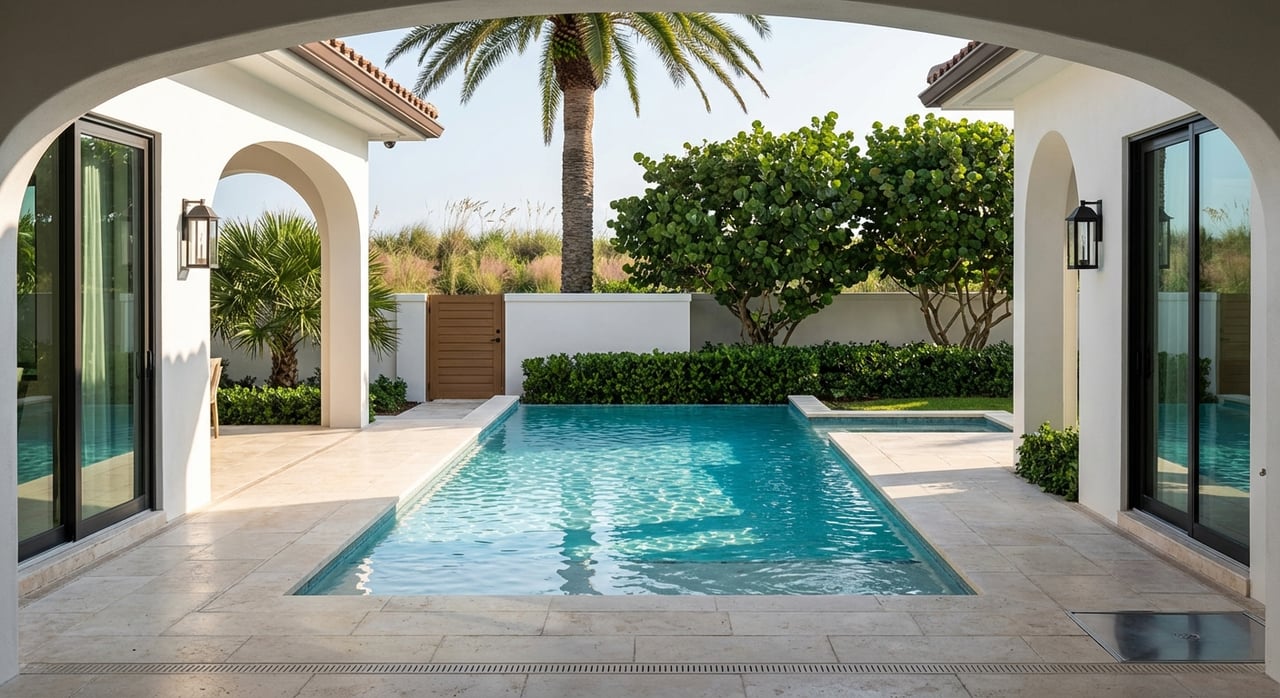
Guide To Ultra-Private Estates On Casey Key
You want a waterfront escape that feels worlds away, yet close to Sarasota’s best dining and culture. On Casey Key, that level of seclusion is real if you know what to look for. In this guide, you’ll learn what truly defines an ultra‑private estate here, how to evaluate value, which ownership costs to plan for, and the key permitting and resiliency points that protect your investment. Let’s dive in.
Casey Key is an eight‑mile, low‑density barrier island with very limited commercial activity and only a few public beach access points. That scarcity creates a quiet, estate‑like setting along both the Gulf and Blackburn Bay. If you are seeking privacy without giving up direct beach or boating access, the island’s layout supports it. This neighborhood overview offers helpful context on the island’s scale and vibe.
A true gulf‑to‑bay parcel stretches from the Gulf of Mexico across to Blackburn Bay, delivering private beach frontage plus protected bay dockage on one holding. These are rare and command a premium because they combine sunrise‑to‑sunset water, boating convenience, and natural privacy buffers. If you want beachfront living without sacrificing your boat, this configuration is the gold standard on Casey Key. Learn more about why gulf‑to‑bay living carries a premium here.
Estate parcels vary, but you’ll often see roughly 0.3 to 0.6 acre single‑lot homes and 1 to 2+ acre compounds at the top end. Rare properties can include 100 to 300+ linear feet of Gulf frontage, which enhances privacy and view corridors. Larger acreage also creates room for guest suites, pool courts, and generous setbacks from Casey Key Road. More width on the beach typically equals more seclusion.
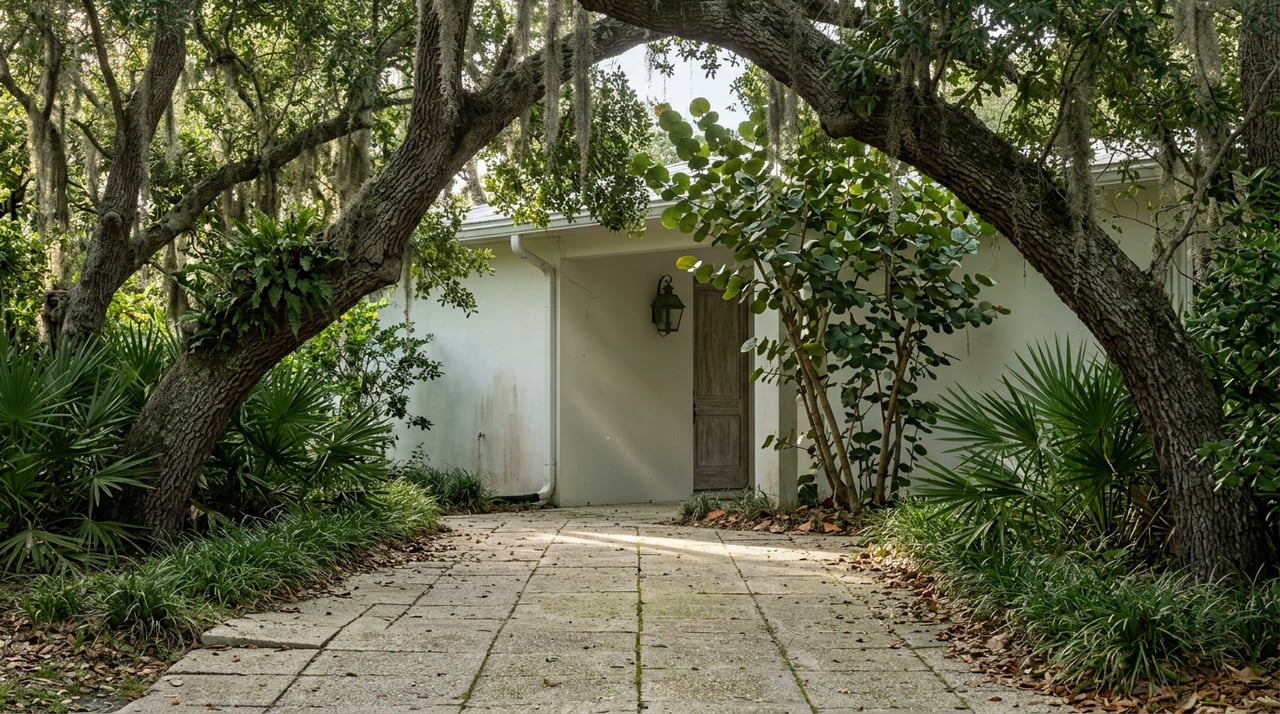
The most private estates are set well back from the road with mature dune vegetation, gated driveways, and layered landscape screening. Deeded walkovers or private beach access, private roads with by‑appointment access, and integrated security systems are common. Several current listings highlight these features, including by‑appointment access and elevated construction standards, as seen in this representative Casey Key property.
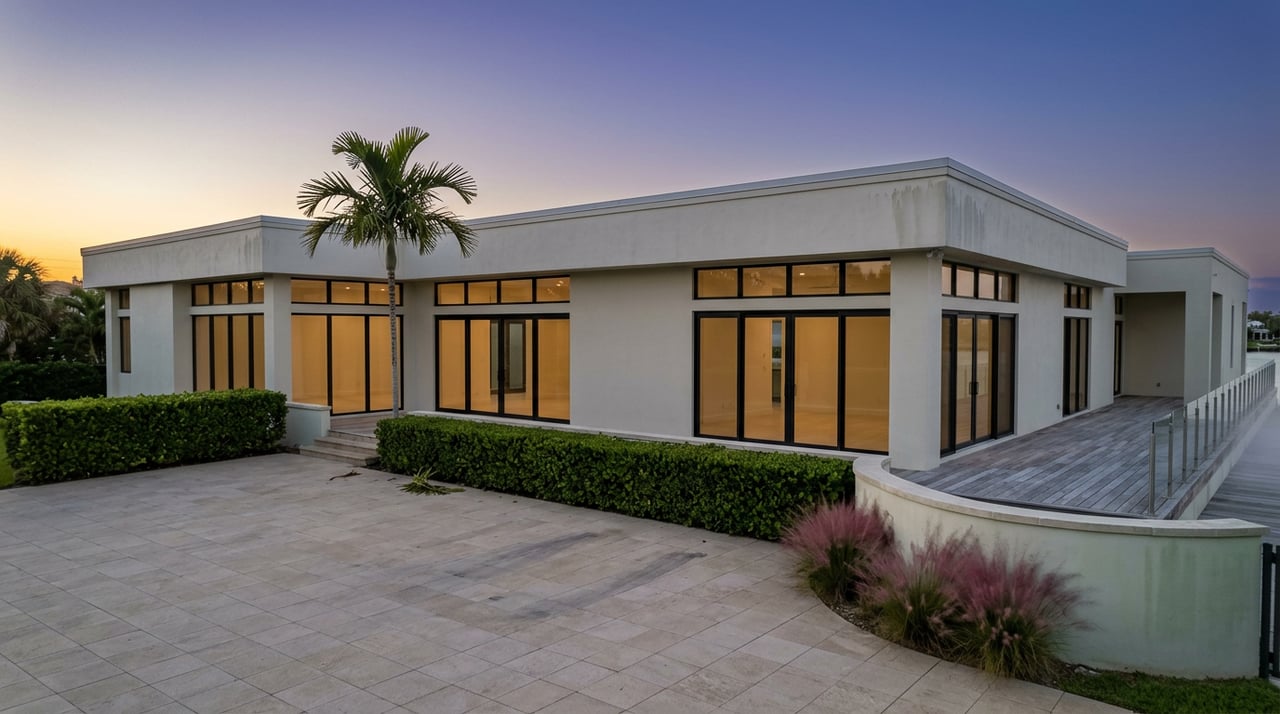
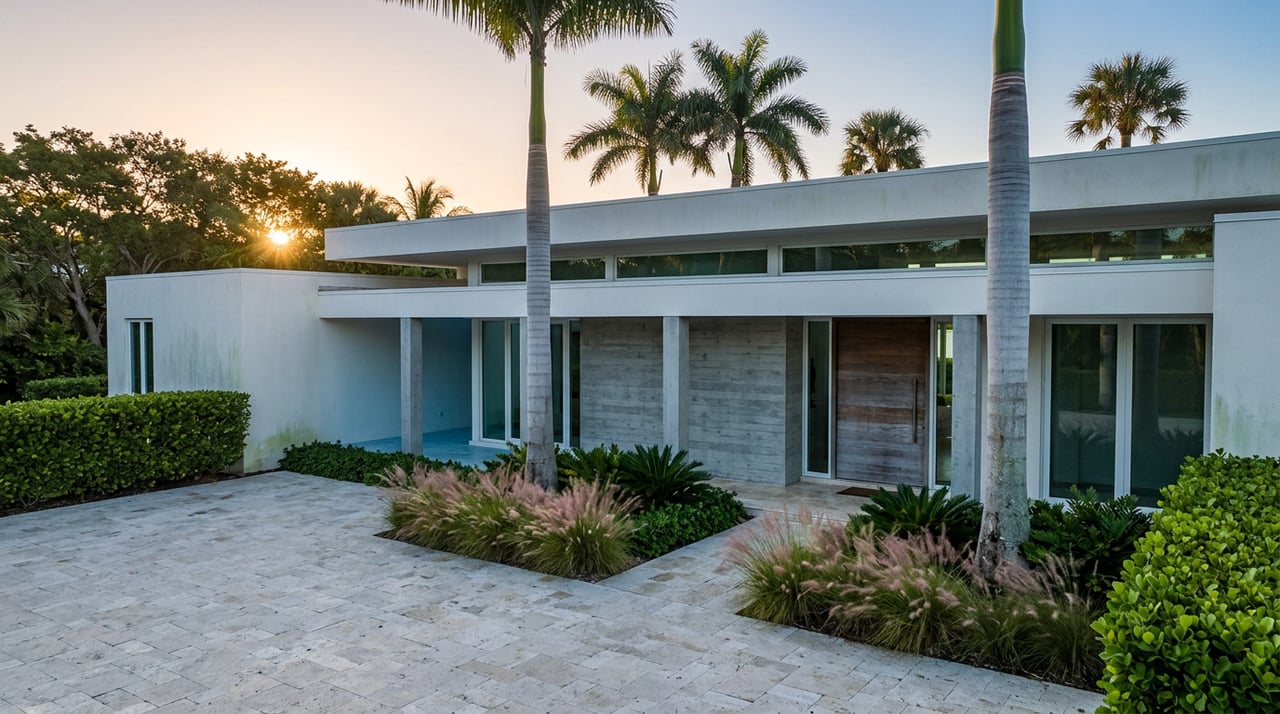
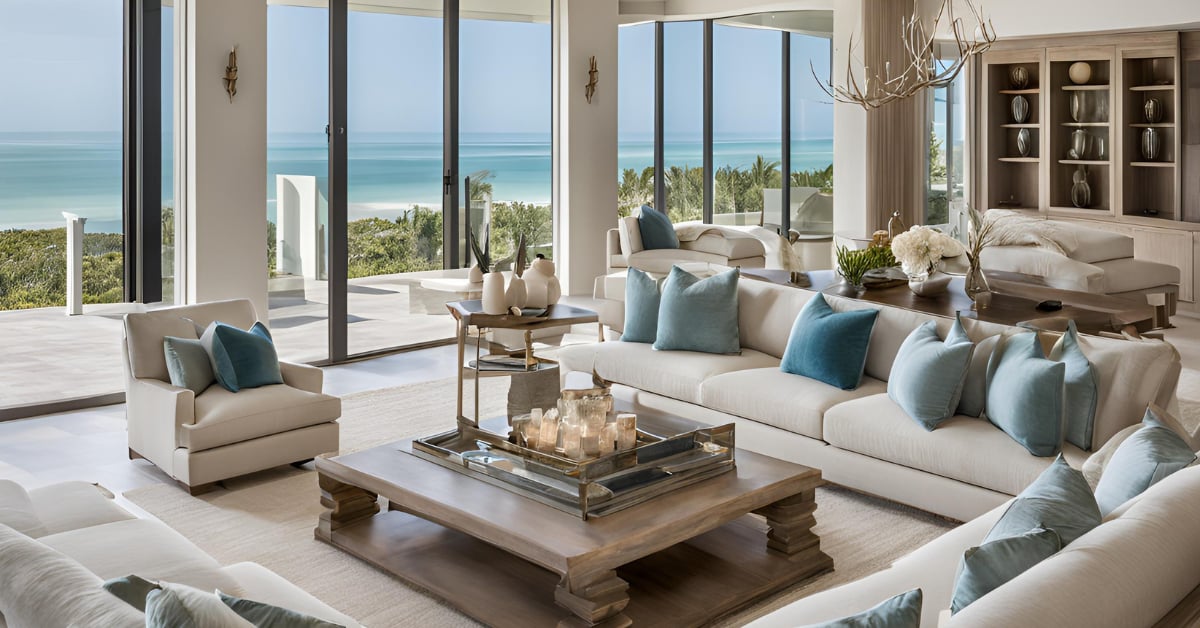
You’ll find Mediterranean and Spanish‑influenced estates, coastal contemporary homes with expansive glass, and mid‑century cottages that have been rebuilt or elevated. Many newer or renovated homes are elevated on piles or pilings to meet Florida Building Code and FEMA standards in coastal hazard zones. That approach protects value and can improve insurability. For a real‑world snapshot of recent design and construction approaches on the island, review the details in this elevated, modern example.
Inventory on Casey Key is bespoke. Each parcel is unique, which drives a wide range of outcomes. Here is what you can expect, based on recent examples and local patterns:
For a deeper look at why these elements command premiums on the island, see this overview of gulf‑to‑bay value drivers.
Annual property taxes on high‑value estates can run into the tens of thousands, scaling with assessed value and any exemptions. Recent listings on Casey Key show annual tax bills for multi‑million‑dollar estates in the high five to low six figures. For a sense of scale, review the tax history on this current listing, then verify the exact bill during due diligence.
You will typically carry two policies: a homeowners or wind policy and a separate flood policy. Flood coverage is often required by lenders for homes in FEMA Special Flood Hazard Areas. Deductibles for wind can be a percentage of the insured value, so get quotes early. For flood mapping and elevation details, consult FEMA’s Flood Map Service Center. For current guidance on Florida property insurance changes and hurricane deductibles, review the state’s overview from the Florida Department of Financial Services.
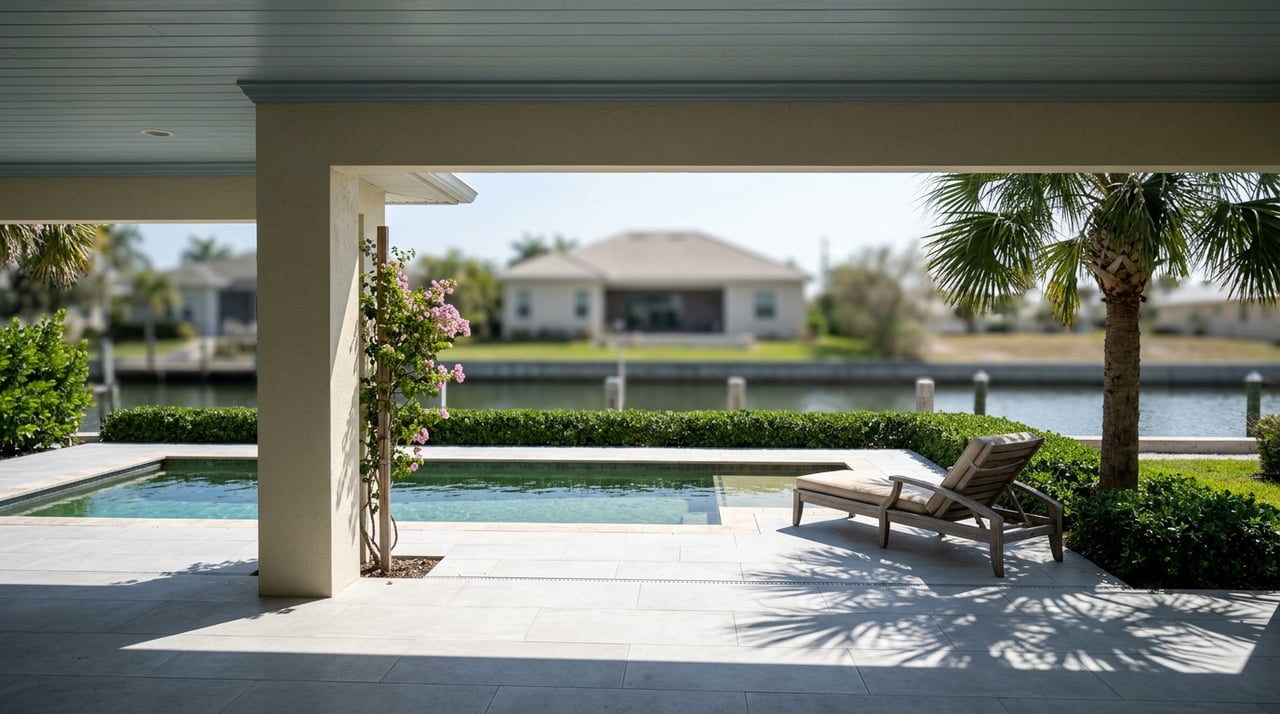
Seawall, revetment, and dock upkeep are significant, long‑term costs for waterfront owners. Routine repairs can run in the low‑to‑mid hundreds per linear foot, while full replacement or engineered walls may approach or exceed $1,000 per foot depending on site conditions. Get multiple local bids and consider inspection contingencies. For a practical primer on costs and repairs, see this Southwest Florida seawall guide.
Also budget time and fees for permits. Sarasota County, the Florida Department of Environmental Protection, and sometimes the US Army Corps of Engineers may review plans for shoreline work. County hearings for large or complex projects on Casey Key are common and can extend timelines.
Many Casey Key estates still operate on septic systems, which affects renovation planning and maintenance schedules. Public water is common, but you should assess generator capacity and fuel storage for storm readiness. Expect line items for pool and dock maintenance, landscaping for dune buffers, and integrated security systems.
Owners often invest in gate systems, cameras, monitored security, and privacy landscaping. Where private roads or small associations exist, annual fees may apply, but many properties have no HOA. For reference, several current island listings note minimal or no association fees alongside extensive on‑site privacy features.
Casey Key is accessed by two bridges, with one main road running the island’s length. That limited entry supports privacy and helps control traffic. It also concentrates evacuation routes and service logistics, which is worth planning for in a storm‑preparedness strategy.
Sarasota County’s Coastal Setback Code and the state’s Coastal Construction Control Line regulate new work along the shoreline. Many projects seaward of the county’s Gulf Beach Setback Line require a county variance, state review, and in some cases federal authorization. Expect multi‑agency review and plan for months to over a year for complex seawalls, major renovations, or new seaward construction. You can review the county code and variance framework in Sarasota County’s Coastal Setback regulations.
Sea‑turtle nesting and other habitat protections can shape construction windows, lighting choices, and shoreline design. If your project touches the beach or dune system, anticipate seasonal work limits and added coordination with environmental reviewers.
Casey Key includes segments designated as critically eroded. That status helps explain county attention to shoreline protection and informs long‑term stewardship costs for owners. Review the state’s mapping of critically eroded beaches as part of your planning.
Use this short list to protect value and speed your decision:
If privacy, beach frontage, and protected dockage are on your wish list, Casey Key delivers a rare combination. The right parcel can give you sunrise boat runs on the bay and sunset walks on the Gulf, all with the privacy you expect from a legacy‑grade estate. When you are ready to zero in on the best gulf‑front, bayfront, or true gulf‑to‑bay options, schedule a private, confidential consult with Taylor Thompson to map your search and due diligence plan.

Blog
Blog
Our community searches will keep you up to date with the latest properties in the areas you are interested in. We will help find you your little piece of paradise from golf to gulf and everything in between. Contact us today!