
Living in Siesta Key: What Daily Life Is Really Like
Is island life calling your name? If you are picturing powder‑soft sand, sunset strolls, and a laid‑back daily rhythm, Siesta Key delivers. At the same time, living on a barrier island means seasonality, higher ownership costs, and some practical tradeoffs. In this guide, you will get a clear look at lifestyle, access, housing, insurance, and rental rules so you can decide with confidence. Let’s dive in.
Siesta Key sits just west of Sarasota on Florida’s Gulf Coast. It is an unincorporated part of Sarasota County, which means local services, zoning, and permitting are county managed. The island stretches linearly with hubs like Siesta Key Village and Siesta Public Beach, plus Crescent Beach to the north and Turtle/South Siesta toward Casey Key.
You will find a mix of full‑time residents, seasonal “snowbirds,” second‑home owners, and a tourism workforce. Activity ramps up from November through April as visitors arrive for peak season. The island is famous for its fine white quartz sand, lively Village scene, and a strong boating and beach culture. Many evenings end with sunset gatherings and the drum circle at the public beach.
Beach time anchors daily life. Residents swim, walk the shoreline, play volleyball, and shell most days. Boating and fishing are popular, and many waterfront homes have private docks or access to marinas. If you prefer quieter spots, you will find less developed stretches of beach and mangrove areas away from the main public beach.
Siesta Key Village is the island’s social heart. You can enjoy casual dining, live music, and evening energy most nights. Expect higher noise levels near the Village and central beach areas after dark. Northern and southern residential sections tend to feel calmer.
The island offers restaurants, boutiques, and visitor‑focused retail, but full grocery options and big‑box stores are on the mainland around Gulf Gate and greater Sarasota. Basic medical care and urgent care are nearby, while major hospital services are in Sarasota. If healthcare access is a priority, factor mainland proximity into your plans.
Two bridges connect Siesta Key to the mainland. During morning and evening peaks, and especially in season, traffic can back up at bridge access points. Plan extra time during winter months if you commute or have regular appointments off‑island.
Public parking at the main beach and in the Village fills early on busy days. Sarasota County manages beach parking and some fee controls that affect guests and short‑term rental visitors. Many residents walk, bike, or use low‑speed vehicles and golf carts for short trips, but always confirm local rules before using carts on public roads.
Sarasota–Bradenton International Airport is a short drive and handles most regional travel needs. For wider flight options, Tampa International is farther north on the interstate corridor.
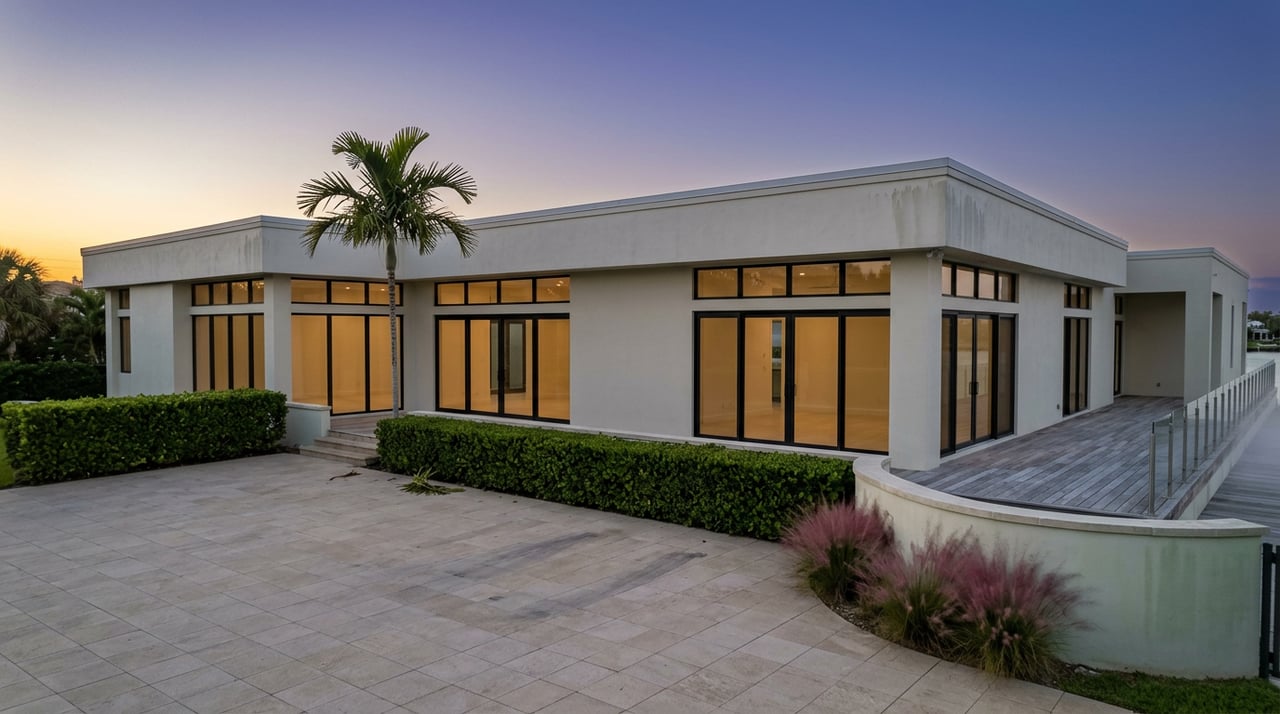
Siesta Key offers a wide mix of properties:
Prices vary by location, view, age, and finish level. As a general guide based on recent 2022–2024 patterns:
These are approximations. Inventory is limited in this premium coastal market, so you should always check recent sales and current listings for up‑to‑date pricing.
Much of the island sits in flood‑prone zones, especially along the waterfront and lower‑elevation areas. Lenders often require flood insurance, and costs can be significant. You should review FEMA flood maps and obtain an elevation certificate to understand risk and premiums. Wind and hurricane insurance are also important in coastal Florida and can be higher than inland.
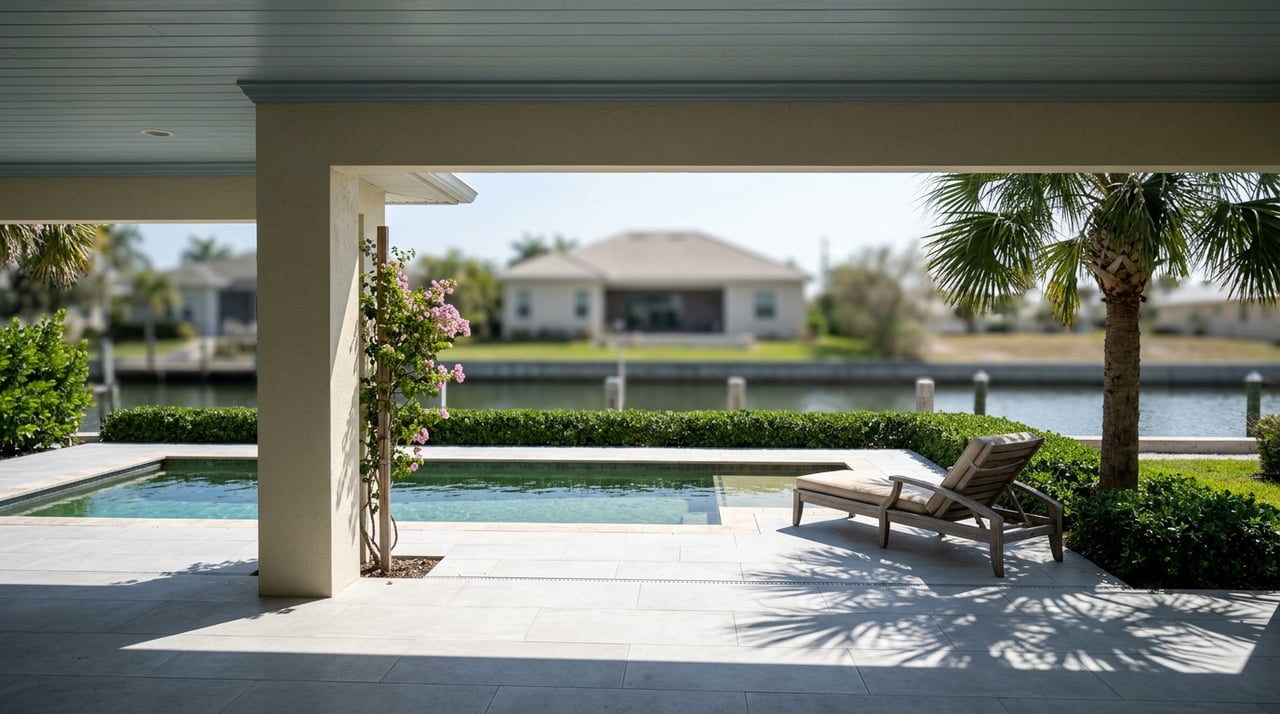
Many condos have HOAs with monthly fees that typically cover building insurance, maintenance, reserves, and amenities. The more amenities, the higher the fees tend to be. If you own on the water, seawalls, docks, and shoreline improvements may require permits, routine inspections, and periodic repairs. Plan for more frequent exterior maintenance and corrosion control due to salt air.
Hurricane season runs June through November, with higher risk usually from August to October. Many owners invest in shutter systems, updated roofing, and raised or movable HVAC equipment. A simple storm plan and regular property checks will help you protect your home and reduce downtime after a storm.
Short‑term rentals are common on Siesta Key and can offset carrying costs, but rules matter. County regulations and association policies can restrict rental terms, guest counts, and registration requirements. Income is seasonal, with stronger occupancy and rates in winter than in summer. Before you buy, confirm current rental restrictions, permitting needs, and tourist tax obligations.
Use this quick list to frame your due diligence:
If you love beach‑forward living, boating, and a lively Village scene part of the year, the island’s rhythm will feel natural. You will also need patience for seasonal traffic, a higher maintenance routine, and insurance planning. Many buyers embrace the tradeoffs for daily access to world‑class sand and Gulf waters. A clear plan for ownership costs and logistics helps you enjoy the lifestyle from day one.
Choosing the right street, building, or waterway makes all the difference on a barrier island. A knowledgeable local guide will help you match lifestyle goals with flood and insurance realities, HOA rules, and long‑term value. For private, concierge‑level guidance on Siesta Key and the surrounding islands, schedule a conversation with Taylor Thompson.


Blog
Discover seven of the best private and semi-private golf clubs in the Sarasota area, with course highlights, membership details and local links.

Blog
Explore seven of the best places to play pickleball in Sarasota, including indoor courts, lighted parks and options on Siesta Key and Longboat Key.
Our community searches will keep you up to date with the latest properties in the areas you are interested in. We will help find you your little piece of paradise from golf to gulf and everything in between. Contact us today!