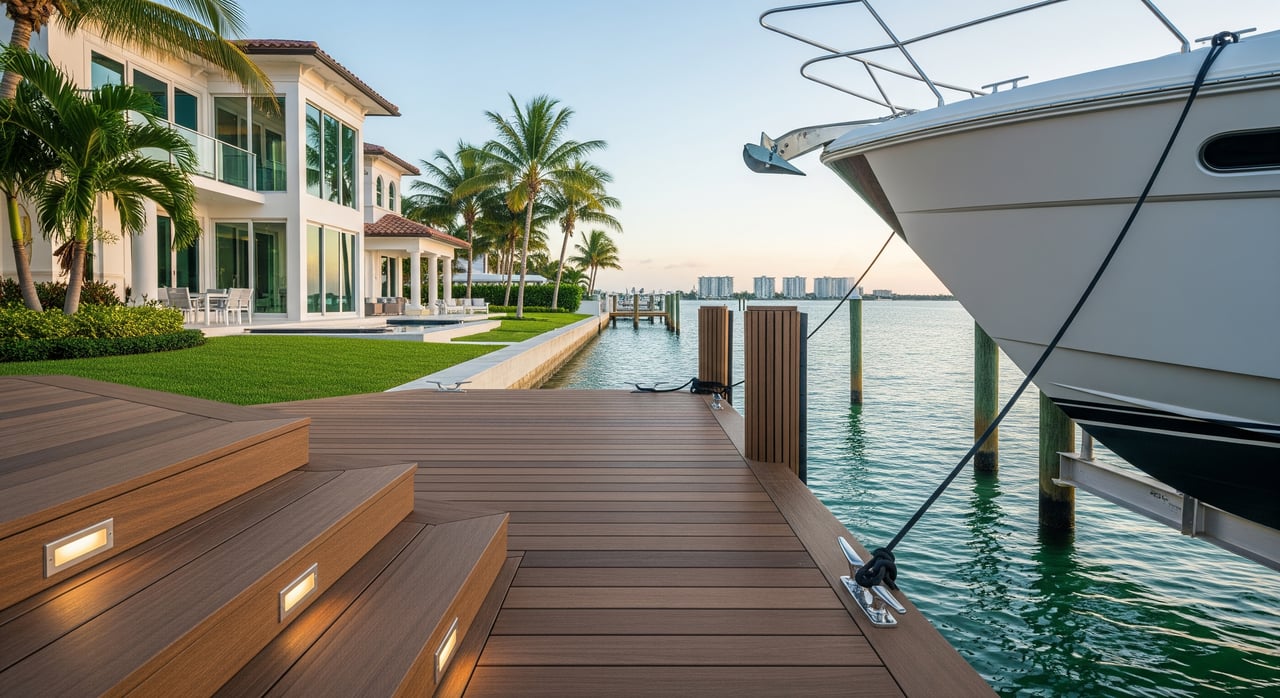
Marina Slip Or Private Dock On Lido Key
Boat days are why you came to Lido Key. The real question is where your boat should live: in a marina slip or on a private dock at home. You want easy access, solid protection during storms, and clear costs without surprises. In this guide, you’ll compare both paths through a Lido Key lens, so you can match your boating style to the right property and ownership plan. Let’s dive in.
Lido Key sits between the Gulf of Mexico to the west and Sarasota Bay to the east. Bayfront properties are the ones most likely to have or allow private docks, subject to permits and environmental rules. Gulf-facing condos typically rely on off-site marina slips because of open-water exposure and beach frontage.
Tides in the Sarasota area usually have a modest range, but seasonal water levels and shoaling can matter for draft and low-tide clearance. For trip planning and dock design, consult up-to-date tide predictions and nautical charts, and confirm depths on site before you buy.
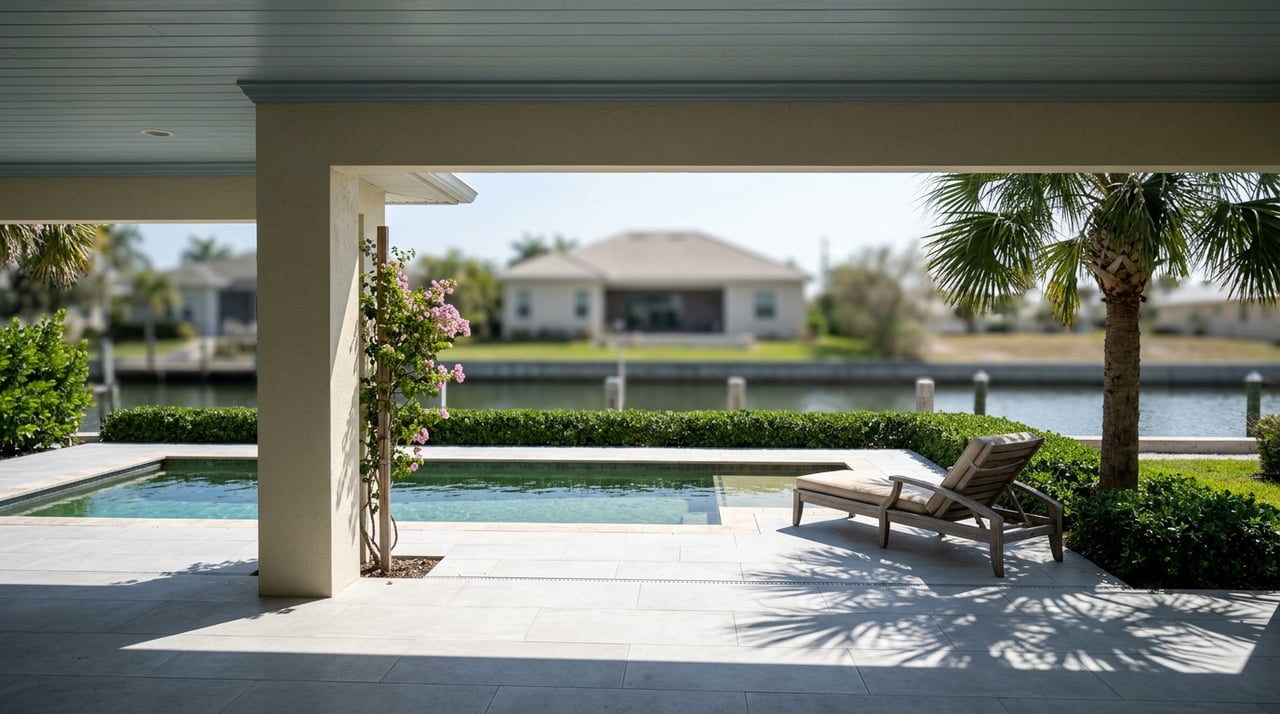
If you live bayfront, a private dock puts your boat steps from your door. You can launch for quick sunrise runs, load guests easily, and keep gear aboard without long trips back and forth. Privacy is a plus, and frequent boaters appreciate the spontaneity of walking out and casting off.
The tradeoff is responsibility. You manage utilities, lighting, lifts, and the dock’s condition. You also follow any HOA or condo rules that apply to dock use and guest access.
A marina slip centralizes boating around services. Many marinas offer fuel, shore power, pump-outs, security lighting, and restrooms. If you live on the gulf side or off-island, a slip can make routine boating simpler. Guest access and parking are often easier too.
You will, however, travel between your home and the marina. Slip access follows marina rules and hours. During peak season, demand can affect guest slips and services, so plan ahead for holidays and storm prep.
Salt, sun, and marine growth are constant factors. With a private dock, plan for scheduled inspections, cleaning, and occasional replacements. Ask sellers for 3 to 5 years of maintenance records and any upcoming capital work. Marinas handle their own infrastructure, but you still maintain your vessel and lines.
Private docks are only as useful as the water beneath them. Shoaling and low-tide depths near some bayfront lots can limit draft. Finger pier length, piling placement, and local rules affect how you moor and what size boat you can berth.
Marinas specify maximum length overall, beam, and draft by slip. Deep-water marinas often accommodate larger vessels more reliably than shallow residential shorelines.
Most Florida docks and lifts require local permits and, depending on footprint or location, state or federal review. Seagrass, manatee zones, wake zones, and proximity to channels can limit where and how you build. Expect to work within Sarasota County or City permit rules, with possible Florida Department of Environmental Protection and U.S. Army Corps of Engineers involvement.
Many Lido Key condominiums, especially on the gulf side, restrict or prohibit private docks. Some bayfront communities have existing docks or deeded slips with specific rules. Even if an older dock exists, replacement or expansion typically triggers current standards. Always read recorded documents before you assume dock rights.
Boat policies hinge on where the boat is kept. Insurers may treat a vessel on a private dock differently than one in a managed marina. You may see requirements for how the boat is secured or hauled for storms. Homeowners and flood coverage for docks is not automatic and may require endorsements. Flood insurance programs have limits on what structures are covered and to what extent.
Review hurricane deductibles and any special marine clauses every renewal. In Florida, storm deductibles are often a percentage of dwelling value, and marine exposures can change how a policy is underwritten.
Use this as a starting point when you compare a marina slip to a private dock:
Both paths work beautifully on Lido Key. The right answer matches your boating habits, your property type, and your risk and maintenance preferences. If you want help comparing specific homes, reviewing dock documents, or mapping marina options to your boat, schedule a private, no-pressure conversation with Taylor Thompson.

Blog
Discover seven of the best private and semi-private golf clubs in the Sarasota area, with course highlights, membership details and local links.

Blog
Explore seven of the best places to play pickleball in Sarasota, including indoor courts, lighted parks and options on Siesta Key and Longboat Key.
Our community searches will keep you up to date with the latest properties in the areas you are interested in. We will help find you your little piece of paradise from golf to gulf and everything in between. Contact us today!