Are you eyeing a Venice Island condo and hearing the phrase non-warrantable? You are not alone. Many of the most desirable coastal buildings in Venice do not fit standard loan programs. The good news is you still have options. In this guide, you will learn what non-warrantable means, why it matters in Venice, how to finance these condos, what documents lenders will request, and how to move from offer to closing with confidence. Let’s dive in.
What “non-warrantable” really means
A condo is warrantable when it meets project rules used by major loan programs like Fannie Mae, Freddie Mac, FHA, and VA. If a building fails those rules, lenders often call it non-warrantable. That label affects who will finance the unit and on what terms.
Common project issues that push a building into non-warrantable territory include high investor or short-term rental concentration, limited reserves or no recent reserve study, pending litigation, large single-entity ownership, heavy commercial use, or insufficient insurance. Florida association governance is guided by the Florida Condominium Act, Chapter 718, which shapes disclosures and financial practices that lenders review.
Why this matters to you: non-warrantable status often means higher down payments, higher rates, and more documentation. It also signals operational risks that can affect future resale and marketability.
Why Venice condos are often non-warrantable
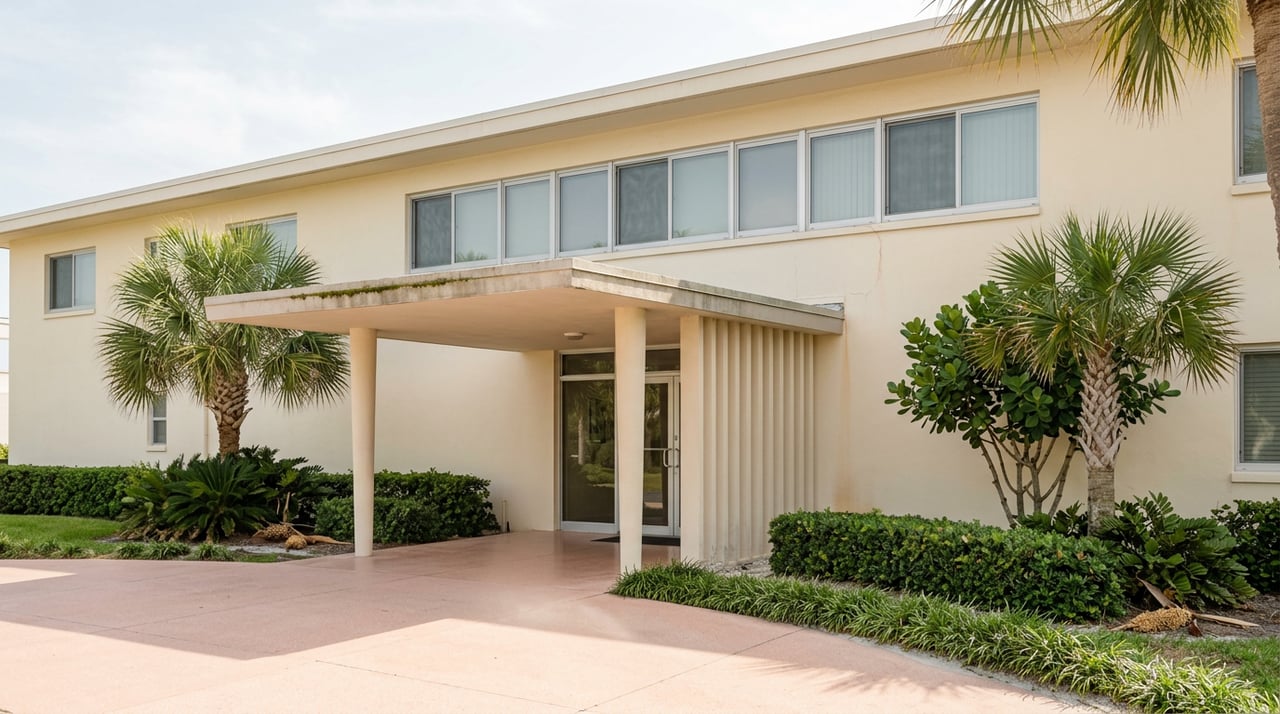
Venice and Venice Island offer a mix of mid-century waterfront buildings and smaller associations. Many were built in the 1960s to 1980s. That heritage is part of the charm, but it can trigger extra scrutiny.
- Coastal risk and insurance. Lenders will confirm wind and flood coverage and whether a unit sits in a FEMA flood zone. You can check zones via the FEMA Map Service Center.
- Reserves and structural reviews. Florida’s post-Surfside reforms increased oversight of aging buildings and reserve funding. Associations should be up to date on required inspections and reserve planning. The Florida DBPR provides current guidance for associations and owners through its Condominium resources.
- Small associations and conversions. Many Venice Island communities have fewer than 20 to 30 units or were converted from older buildings. That can push projects outside conforming program limits.
- Rentals and short-term stays. If a building has a high concentration of investor-owned units or allows frequent short-term rentals, it may not meet conforming condo rules. Always verify local code and community rules with the City of Venice Code Enforcement.
The takeaway: even well-maintained, desirable buildings can be non-warrantable for reasons unrelated to unit quality. Plan your financing path before you write an offer.
Your financing options for non-warrantable condos
There is no single right answer. The best path depends on your goals, liquidity, and how a specific building is underwritten. Here are the main options you can consider.
Portfolio loans
Portfolio lenders underwrite using their own rules and keep loans on their books. This flexibility helps when a condo project does not meet conforming standards.
- Pros: Flexibility on project quirks and potential for competitive pricing for strong borrowers.
- Cons: Terms vary by institution and may require larger down payments.
- Best for: Affluent buyers who value speed and tailored solutions with banks that understand Florida coastal condos.
Jumbo or non-conforming conventional loans
Jumbo programs use lender-specific underwriting. Some will accept buildings that conforming programs will not, especially for well-qualified borrowers.
- Pros: Fixed-rate options and familiar terms for higher price points.
- Cons: Lenders still review project risk closely, including reserves and litigation.
- Best for: High-net-worth buyers who want conventional amortization and can document strong assets and income.
DSCR and investor rental-income loans
Debt Service Coverage Ratio loans size the loan based on rental income rather than your personal income. They work well for investment-driven purchases.
- Pros: Designed for investors and can be used in non-warrantable projects.
- Cons: Rates are typically higher and loan size is tied to documented or projected rents.
- Best for: Buyers focused on cash flow and seasonal rental performance.
Non-QM, bank-statement, and alternative documentation loans
These programs qualify you with bank statements, asset depletion, or other alternatives when tax returns do not tell the full story.
- Pros: Flexible for self-employed or asset-rich buyers.
- Cons: Pricing is usually higher and product availability can change.
- Best for: Buyers whose profile does not fit standard underwriting but want a longer-term loan than a bridge product.
Bridge and private hard-money loans
Short-term financing based on property value and equity can help you move quickly or complete repairs.
- Pros: Fast closings and tolerant of project complexities.
- Cons: Higher cost and short terms, so you need a plan to refinance or exit.
- Best for: Buyers planning light renovations, a quick close, or a later refinance.
All-cash purchases
Cash removes lender constraints and is attractive to sellers in competitive situations. Many Venice Island buyers choose this route for speed and simplicity, then add financing later if it makes sense.
- Pros: Clean offers and fewer hurdles.
- Cons: Ties up liquidity and may not optimize your overall portfolio.
How to pick lenders and plan your timeline
Choose lenders that have closed loans in Venice and Sarasota County condos, including non-warrantable buildings. Experience with Florida insurance and HOA review can save weeks.
Ask these questions early:
- Have you financed non-warrantable condos in Venice or Sarasota County recently? What profiles did you approve?
- What do you need from the HOA? Can your team request the condo questionnaire directly?
- What down payment and rate premium do you expect for this building type?
- How long does your project review take? What is the full underwriting timeline?
- Do you offer interest-only or adjustable options for seasonal or investment use?
Typical timelines you can expect:
- Standard loans when a project is warrantable: 30 to 45 days.
- Condo project reviews: add 2 to 6 weeks depending on HOA responsiveness.
- Non-warrantable financing: can be similar or faster if the lender has a streamlined process and a clear checklist.
What lenders will request
Getting ahead of documentation is the fastest way to avoid delays. Many Venice Island buildings are professionally managed, but smaller associations may take time to gather documents. Start early.
Project and HOA documents
- Declaration, bylaws, and articles of incorporation
- Current year budget and most recent reserve study
- Balance sheet, income statement, and delinquency report
- Master insurance certificate, including wind and flood if required, plus fidelity bond info
- Recent board minutes, especially any discussion of special assessments or major repairs
- Unit-owner roster showing owner-occupied versus investor counts
- Completed condominium questionnaire for the lender
- Vendor contracts and any legal letters or active litigation summaries
Borrower documents
- Standard loans: pay stubs, tax returns, and asset statements
- DSCR and investor loans: leases, rent rolls, rental history, or market rent analysis and operating statements
- Portfolio or non-QM: bank statements, asset verification, and a brief explanation of the condo project issues if needed
Order the HOA package right away. Condo project review can become the pacing item for your loan approval.
Real-world examples on Venice Island
These scenarios are hypothetical and reflect typical profiles we see.
Example 1: Seasonal owner seeking low-fuss closing
- Property: 2-bed waterfront condo in a 20-unit association from the late 1970s with modest reserves and some short-term rentals.
- Challenge: Small association size and rental concentration can trigger non-warrantable status.
- Strategy: A portfolio loan from a local or regional bank familiar with coastal underwriting, or all-cash if you want maximum simplicity.
- Documentation: HOA budget, reserve study, insurance certificate, and proof of low delinquencies.
Example 2: Investor planning seasonal rentals
- Property: 3-bed condo with strong seasonal demand, community allows rentals, and many units are investor-owned.
- Challenge: Investor concentration and short-term rental exposure may not pass conforming standards.
- Strategy: DSCR investor loan or an investor-friendly portfolio product, possibly with a higher down payment to improve pricing.
- Documentation: Rental policy, sample rental history or pro forma, insurance details, and any HOA rules about stays.
Example 3: High-net-worth buyer wanting a fixed-rate second home
- Property: Luxury unit at $1M-plus in an older building with reserve questions.
- Challenge: Reserve concerns may block conforming financing even if the unit is pristine.
- Strategy: Jumbo or private bank portfolio loan with fixed terms now and the option to refinance later if the association strengthens reserves.
- Documentation: Asset statements, liquidity proof, and HOA financials. A private banking relationship can help tailor terms.
Your due-diligence checklist
Before you write an offer
During the contract period
- Make financing contingencies specific to condo project approval and allow flexibility to pivot to portfolio or investor financing if needed
- Secure a pre-approval from a lender experienced with non-warrantable condos, or get terms in writing from a portfolio or DSCR lender
- Order the condo questionnaire early, and confirm who will coordinate with the HOA
Prior to closing
- Reconfirm no new special assessments or litigation in the latest board minutes
- Verify the master insurance coverage and unit owner responsibilities, including hurricane deductibles
- For DSCR or investor loans, assemble leases and rental documentation needed for final underwriting
Resale and risk considerations
Non-warrantable status can affect how easy it will be for the next buyer to get a loan. That may influence hold period, list price, and time on market. If you plan to refinance, consider whether the association issues are fixable within your timeline. Encouraging strong reserves, quick resolution of litigation, and clear rental policies can support marketability and long-term value.
If you are considering a condo on Venice Island and want help evaluating financing paths or assembling HOA documentation, we are here to help. Schedule a private conversation to calibrate financing and timing to your goals.
Ready to talk through your specific property or building? Connect with Taylor Thompson for a discreet consultation and lender introductions tailored to Venice and Sarasota coastal condos.
FAQs
What is a non-warrantable condo in simple terms?
- A non-warrantable condo is a project that does not meet major program rules from Fannie Mae, Freddie Mac, FHA, or VA, which limits access to standard conforming loans and may require alternative financing.
Why are many Venice Island condos non-warrantable?
- Older buildings, small associations, higher investor or short-term rental concentrations, and coastal insurance requirements often push Venice projects outside conforming program standards.
Can I use FHA or VA for a Venice condo purchase?
What financing works best for an investor buyer in Venice?
- DSCR loans and investor-focused portfolio loans are common for non-warrantable buildings, since they can underwrite based on rental income or flexible lender criteria.
How long does financing take on a non-warrantable condo?
- Standard loans can close in 30 to 45 days if the project is approved, but a condo project review can add 2 to 6 weeks; experienced lenders may move faster with clear HOA documents.
What HOA documents should I gather first?
- Start with the budget, reserve study, insurance certificate, recent board minutes, and the lender’s condo questionnaire; early collection prevents approval delays.
How do flood zones and insurance impact my loan?
- Lenders will check flood zones and master policy coverage; use the FEMA Map Service Center to confirm zones and review hurricane deductibles and flood requirements with your lender.
Where can I verify Florida condo governance rules?