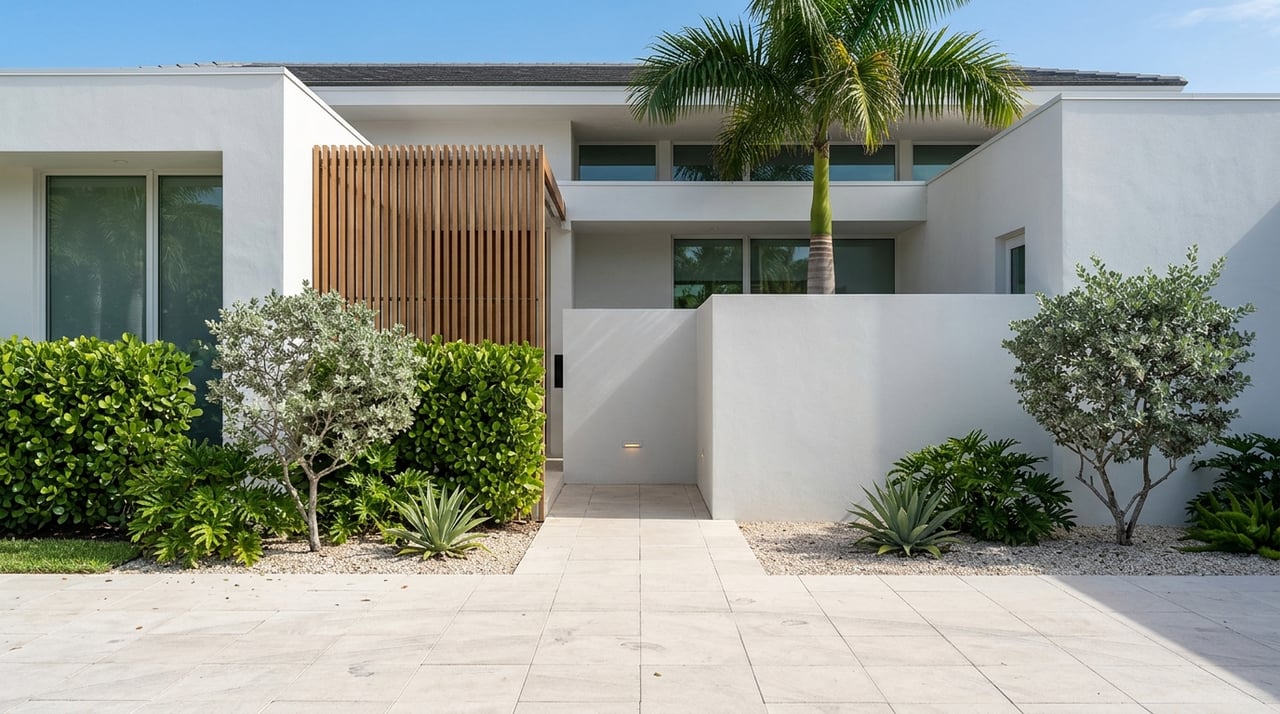
Owning A Second Home On Casey Key: What To Expect
If you are dreaming about a second home on Casey Key, you are probably drawn to more than just the water views. This barrier island offers a private, low-key coastal setting that feels removed from busy beach corridors, but ownership here also comes with real planning around storms, upkeep, insurance, and property management. If you want a clearer picture of what day-to-day and year-to-year ownership looks like, this guide will walk you through the practical side of owning a second home on Casey Key. Let’s dive in.
Casey Key is often described as an isolated and exclusive enclave just off Nokomis. For you as a second-home buyer, that usually means a quieter and more private experience rather than a highly commercial beach-town atmosphere.
That privacy is a major part of the appeal. You can enjoy a relaxed barrier-island setting while still being close to useful public access points and coastal amenities when you want them.
The county-managed public access points connected to Casey Key include Nokomis Beach Park, North Jetty Park, and Blackburn Point Park. Nokomis Beach Park, located at 100 Casey Key Road, offers beach access, a boat ramp, a canoe and kayak launch, a fishing pier, lifeguard service, restrooms, picnic areas, and a concession or restaurant.
That balance matters if you want a home base that feels tucked away without feeling isolated from the basics. It gives you the option to enjoy privacy at home while still having convenient access to the shoreline and recreation nearby.
One of the biggest adjustments with a second home on Casey Key is thinking in seasons. Sarasota’s peak season typically runs from January through April, while the period after the Fourth of July through the end of September is generally less crowded.
For many owners, that creates two very different calendars. One is centered on winter visits, guest stays, and enjoying the home at its busiest and most social time of year. The other is focused on quieter months, maintenance, storm planning, and preparing the property when you may be away.
If you plan to use your Casey Key home during the winter and early spring, expect that to align with the region’s peak visitor season. That can shape everything from how often friends and family want to visit to how you schedule service vendors and routine property work.
The quieter late-summer period can be useful for maintenance projects and system checks. Many second-home owners use that window to handle tasks before the next active season begins.
Owning on a barrier island means storm readiness is not optional. The Atlantic hurricane season runs from June 1 through November 30, and Sarasota County warns that residents in low-lying areas and on barrier islands should evacuate early because coastal roads can be underwater well before a storm arrives.
That guidance is especially important if you do not live in the home full time. A Casey Key property needs a clear plan for both occupancy periods and vacancy periods, especially during storm season.
County evacuation centers are intended as a last resort, with limited space and no hotel-style comforts. If you own a second home here, it is smart to think through where you would go ahead of time and to arrange a host location outside your evacuation level if needed.
Because access can become difficult when roads flood or evacuations begin, timing matters. Waiting too long can make a routine departure much harder.
Before leaving the property for the season or ahead of a storm threat, Sarasota County recommends several practical steps:
For a second-home owner, these are not small details. They are part of a repeatable system that helps protect the property when you are away.
Distance changes how you own a home. On Casey Key, where weather and access can shift quickly, having a dependable local point person can make ownership much smoother.
Remote owners often benefit from someone who can check conditions, help coordinate storm preparation, confirm whether shutters or systems have been handled, and visit the home after severe weather. That kind of support can reduce stress and help you respond faster when conditions change.
Sarasota County’s environmental guidance recommends contacting several contractors to compare quality, guarantees, and cost. For you, that is a practical reminder to build a reliable local vendor list before you urgently need one.
Your list may include professionals for landscaping, irrigation, pool service, septic evaluation, storm prep, and coastal property maintenance. If the property has preserve features or sensitive site conditions, coordination with a property manager or qualified contractor becomes even more important.
A Casey Key home may offer natural beauty and privacy, but coastal ownership also comes with regulations that can directly affect daily use and maintenance. These are worth understanding early because they can influence lighting, landscaping, outdoor furniture, and improvement plans.
Sarasota County’s marine turtle ordinance applies on unincorporated county beaches from May 1 through October 31. During that period, beach-visible lighting must be shielded, turtle-safe bulbs are required, and furniture or recreational items cannot be left on the beach overnight unless a recreational use agreement is in place.
If you host guests, these rules are especially important to explain clearly. A beautiful beachfront setting also requires care and compliance.
Mangroves can provide both privacy and storm protection, which makes them valuable on waterfront and coastal properties. At the same time, Sarasota County notes that many trimming or alteration activities require permits.
If a property’s appeal includes mature coastal vegetation or natural screening, you will want to understand what can and cannot be changed. This is an important part of long-term stewardship on Casey Key.
Sarasota County regulates docks, boat lifts, rock revetments, bulkheads, maintenance dredging, mangrove trimming, earthmoving, and coastal setback variances. The county also states that new structures or improvements must be completed by a state-licensed or locally registered Sarasota County contractor.
If you are considering upgrades after purchase, this is a key part of due diligence. Waterfront ownership can be rewarding, but it often involves more permitting complexity than inland property.
Insurance is one of the most important budget items for any Florida second home, especially on the coast. Florida’s insurance consumer guidance states that standard homeowners policies do not cover flood damage.
Flood insurance is usually a separate policy, and lenders may require it. There is also often a 30-day waiting period, which means this is not something you want to leave until the start of a storm threat.
Florida guidance also notes that many homeowners policies include a separate hurricane deductible, often 2%, 5%, or 10% of the dwelling limit. That deductible should be reviewed alongside your flood coverage, not by itself.
In practical terms, you want a full picture of your exposure before you buy. A beautiful waterfront property can carry a different risk profile than a similar home farther inland.
The state advises contacting an agent before June 1 because insurers may stop accepting new applications or coverage increases once a hurricane nears Florida. For a second-home buyer, that timing can matter if you are closing close to storm season or adjusting coverage after renovations.
This is one of those details that can affect both your timeline and your comfort level as an owner. Early planning gives you better options.
Beyond premiums, you should also understand the property’s flood setting and basic infrastructure. Sarasota County says owners can determine flood risk through FEMA’s Flood Map Service Center or the county Flood Zone Locator Map, and the county notes that the area is susceptible to coastal, riverine, and urban flooding caused by heavy rain, tropical storms, hurricanes, and storm surge.
That does not mean every property will face the same level of exposure. It does mean parcel-specific review is a smart step before purchase.
A county baseline beach survey noted that Casey Key residences were on septic systems. Because utility setups can affect maintenance and ownership costs, a parcel-level utility check is worth doing during your due diligence period.
This is especially relevant for second-home buyers coming from markets where coastal septic systems are less common. Knowing how the property operates helps you budget and plan more confidently.
Sarasota County requires rain sensor shut-off devices for automated irrigation systems and says timers should be checked after daylight-saving changes and power outages. For absentee owners, that is a small but practical item that can easily be missed.
A misconfigured system can waste water or create unnecessary landscaping issues while you are away. It is a simple detail, but one that supports smoother ownership.
If you are buying Casey Key as a second home, it is important to understand that tax treatment may differ from a primary residence. The Sarasota County Property Appraiser states that homestead exemption requires the owner to occupy the home as a permanent residence on January 1.
In most second-home scenarios, that means the property generally will not qualify for homestead exemption. The office also notes that homesteads do not transfer from one house to another.
That can affect your long-term cost picture. It is one more reason to evaluate the full ownership budget, not just the purchase price.
A Casey Key second home can deliver privacy, beauty, and a refined coastal lifestyle. At the same time, it works best when you approach ownership with a realistic plan for operations, resilience, and local support.
As you evaluate properties, keep your focus on more than views and finishes. The strongest purchase decisions usually come from understanding how the home will function in every season, not just the one you are enjoying during a showing.
A smart Casey Key purchase often includes:
If you want help evaluating Casey Key homes through both a lifestyle and ownership lens, Thompson Group Sarasota (Taylor Thompson) offers private, concierge-level guidance tailored to Sarasota’s barrier-island market.
Blog
Discover seven of the best private and semi-private golf clubs in the Sarasota area, with course highlights, membership details and local links.

Blog
Explore seven of the best places to play pickleball in Sarasota, including indoor courts, lighted parks and options on Siesta Key and Longboat Key.
Our community searches will keep you up to date with the latest properties in the areas you are interested in. We will help find you your little piece of paradise from golf to gulf and everything in between. Contact us today!