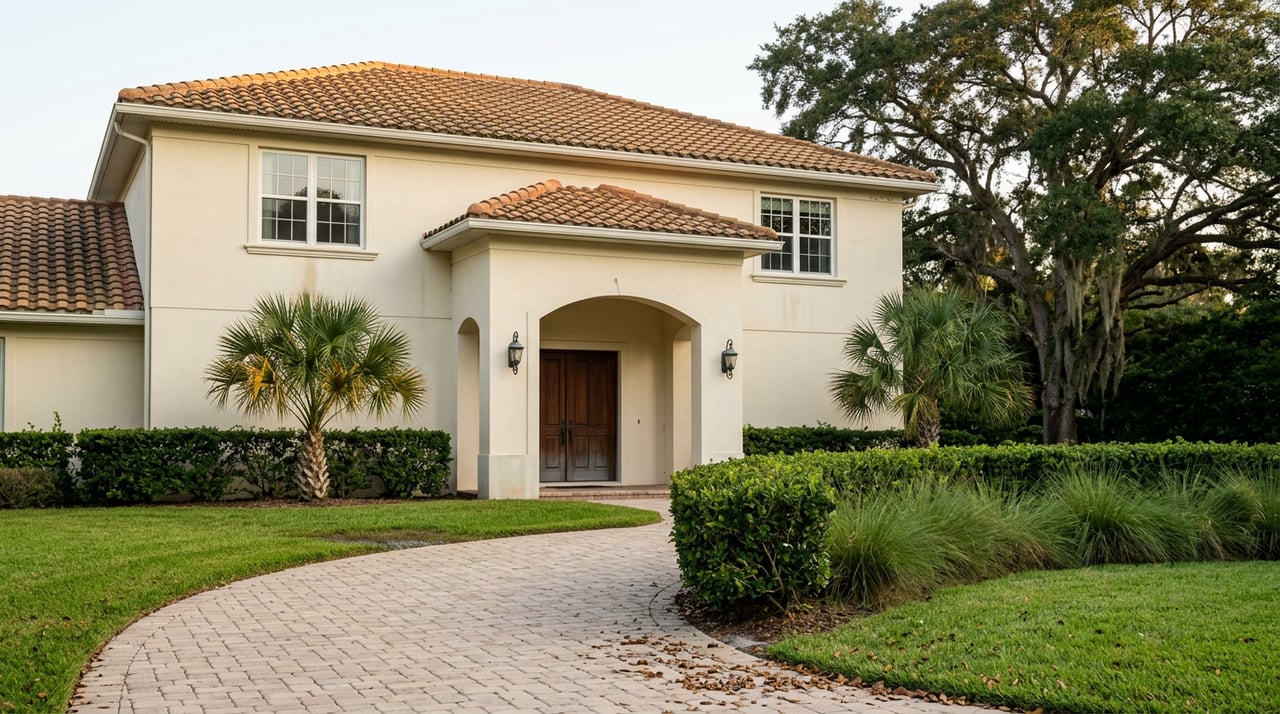
Picture this: you step out your front door and stroll to Bayfront Park, grab dinner on Main Street, and end the evening with city views from a rooftop pool. If you are shopping condos in Downtown Sarasota, the right amenities can elevate daily life and protect long-term value. In this guide, you will learn which amenities matter most, how they affect HOA fees and insurance, and what to review before you buy. Let’s dive in.
Why amenities matter downtown
Downtown Sarasota offers walkable access to arts, dining, and the waterfront. Many buildings range from mid-century towers to new luxury high-rises, and each comes with a different amenity mix. Amenities can simplify your routine, create a resort-like feel, and help a condo stand out when it is time to sell. Your goal is to match amenities to your lifestyle and budget.
Concierge, front desk, and valet
A staffed concierge or front desk handles packages, welcomes guests, and often adds a sense of security. Valet service, when offered, adds convenience for owners and visitors. These services appeal to seasonal residents and full-time owners who want low-maintenance living.
- Benefits: Convenience, package management, guest support, and a luxury feel.
- Cost drivers: Staff salaries and benefits, coverage hours, training, and insurance.
- Tradeoffs: Higher recurring HOA dues. Some buildings scale hours or charge separate valet fees during peak periods.
Rooftop pools and sun decks
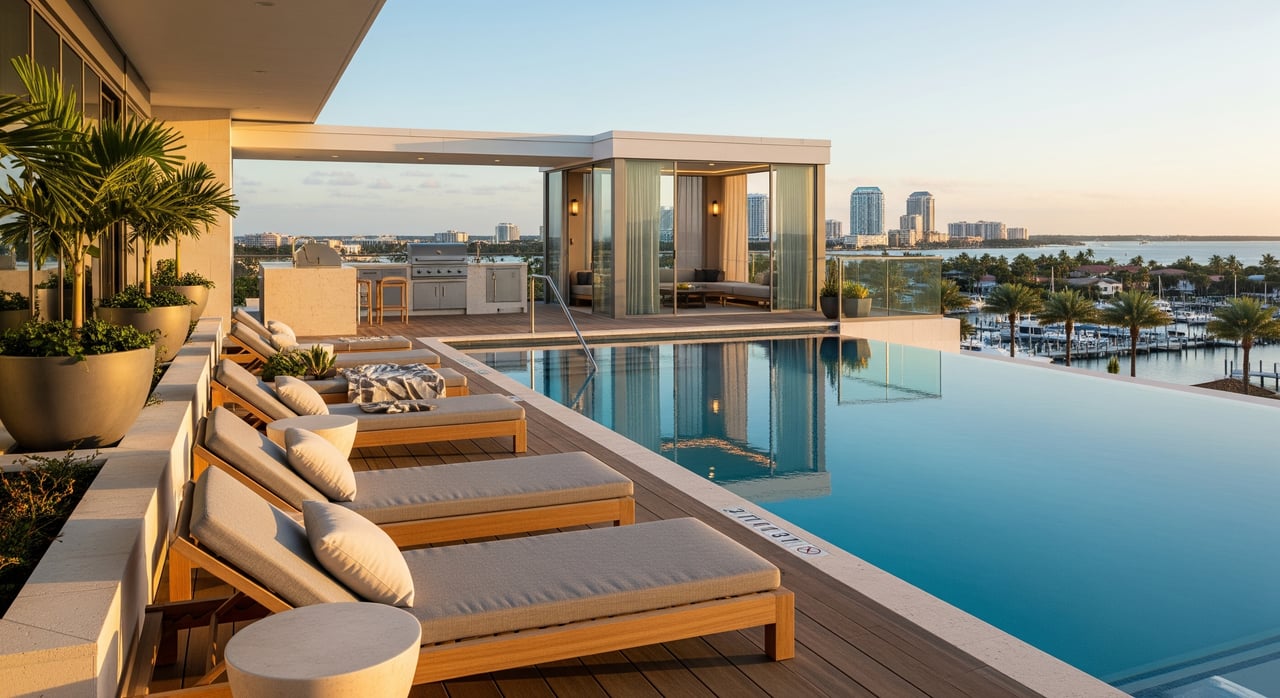
Rooftop or podium-deck pools create a private outdoor escape with skyline or bay views. Decks often include grills, seating, and cabanas for entertaining. In a compact urban setting, this is valuable outdoor space you do not have to maintain yourself.
- Benefits: Lifestyle and views, a strong differentiator for luxury buildings.
- Cost drivers: Waterproofing membranes, pool mechanicals, seasonal chemicals, and deck repairs.
- Tradeoffs: Rooftop pools add capital-expenditure risk. Waterproofing failures can be costly, so ask for the reserve schedule for re-coating and membrane replacement. Pools may be closed during storms for safety.
Fitness centers and wellness spaces
On-site gyms and studios save you a separate gym membership and make it easier to keep a routine. Some buildings add saunas or yoga rooms. Smaller buildings may offer more basic equipment.
- Benefits: Convenience and health, no commute to work out.
- Cost drivers: Equipment replacement cycles, flooring, HVAC, cleaning, and liability coverage.
- Tradeoffs: Reserve planning matters. A well-funded replacement schedule keeps the gym fresh and limits surprise assessments.
EV charging in condo garages
EV charging has become a key feature for urban buyers. Buildings handle it in different ways, from owner-installed chargers in deeded spaces to building-wide systems with submetering. Most installations require board approval and must follow building rules and permitting.
- Benefits: Future-proofs your parking and attracts sustainability-minded buyers.
- Cost drivers: Electrical capacity upgrades, conduit runs, panels, networking subscriptions, and signage.
- Tradeoffs: You need clarity on who pays for installation, maintenance, and electricity. In some buildings, owners fund a dedicated charger. Others fund a community system through HOA budgets or assessments.
Pet areas and policies
If you have a pet, on-site features like a fenced dog run or a pet wash station can be a daily time saver. Pet-friendly policies also expand your resale pool.
- Benefits: Easy pet care without leaving the building.
- Cost drivers: Surface maintenance, sanitation, fencing, and landscaping wear.
- Tradeoffs: Expect rules that may include size limits, number of pets, deposits or fees, and leash requirements. Review policies before you submit an offer.
How amenities affect value and fees
Amenities improve marketability when they match the buyer profile for the building. In luxury high-rises, concierge and security often carry the most weight. For many professionals and downsizers, a modern gym and EV charging rank high. Location and view still drive pricing, but amenities help comparable listings compete.
HOA dues reflect the cost to operate and maintain shared spaces. Staffed services, pool utilities, insurance, and cleaning increase monthly dues. Amenities that require future replacement, such as deck membranes and fitness equipment, should appear in the reserve study. If reserves fall behind, owners face special assessments.
Insurance can also be higher in buildings with more or higher-risk amenities. Pools, rooftop decks, and staffed entries have unique coverage needs. Coastal storms and wind exposure affect premiums and deductibles. In storm season, rooftop amenities may close for safety and protection.
What to review before you buy
Ask for these documents as part of your due diligence. They will help you confirm the condition of amenities and the health of the budget.
- Current budget and monthly HOA dues breakdown
- Most recent reserve study and funding plan
- Board meeting minutes for the last 12 to 24 months
- Insurance summary, including wind and flood coverage
- Building rules and declarations, including pet and rental policies and EV guidelines
- Financial statements and delinquency rates
- Capital project history and planned projects with cost estimates
- Engineering reports related to roof, deck waterproofing, structure, or pool systems
Regulatory frameworks such as Florida Statutes Chapter 718 govern how associations budget and assess. FEMA flood maps, the Florida Building Code, and local permitting also influence rooftop work, pool repairs, and electrical upgrades. These factors help explain why HOA dues and reserves differ from building to building.
Questions to ask the HOA or manager
Targeted questions can reveal upcoming costs and rules that affect daily life.
- Who pays for pool heating, hot water, fitness HVAC, and common-area utilities?
- What is the replacement cycle and cost for deck membranes, pool equipment, and gym gear?
- What is the current plan for EV charging, and how is electricity billed?
- Are there rental limits or owner-occupancy ratios that affect financing and resale?
- What are the current pet rules, deposits, and fines? Any planned changes?
- Have there been special assessments in the last 5 to 10 years? What did they cover?
Tradeoffs and budgeting tips
You can align amenities with your budget by focusing on service level and reserve health.
- Full-service buildings: Expect higher dues for 24/7 concierge, valet, large pools, and wellness centers. In return, you get maximum convenience and a luxury experience.
- Boutique buildings: Lower dues with simpler amenities. Plan for offsite gym memberships and fewer on-site services.
- Reserve strength matters most: A building that funds reserves and maintains amenities tends to preserve value and reduce surprise assessments.
- EV charging expectations: You may fund your own charger with board approval or share in a community retrofit through the HOA.
- Rooftop pool diligence: Ask for the membrane’s age, coating schedule, and related engineering reports.
Parking, storage, and walkability
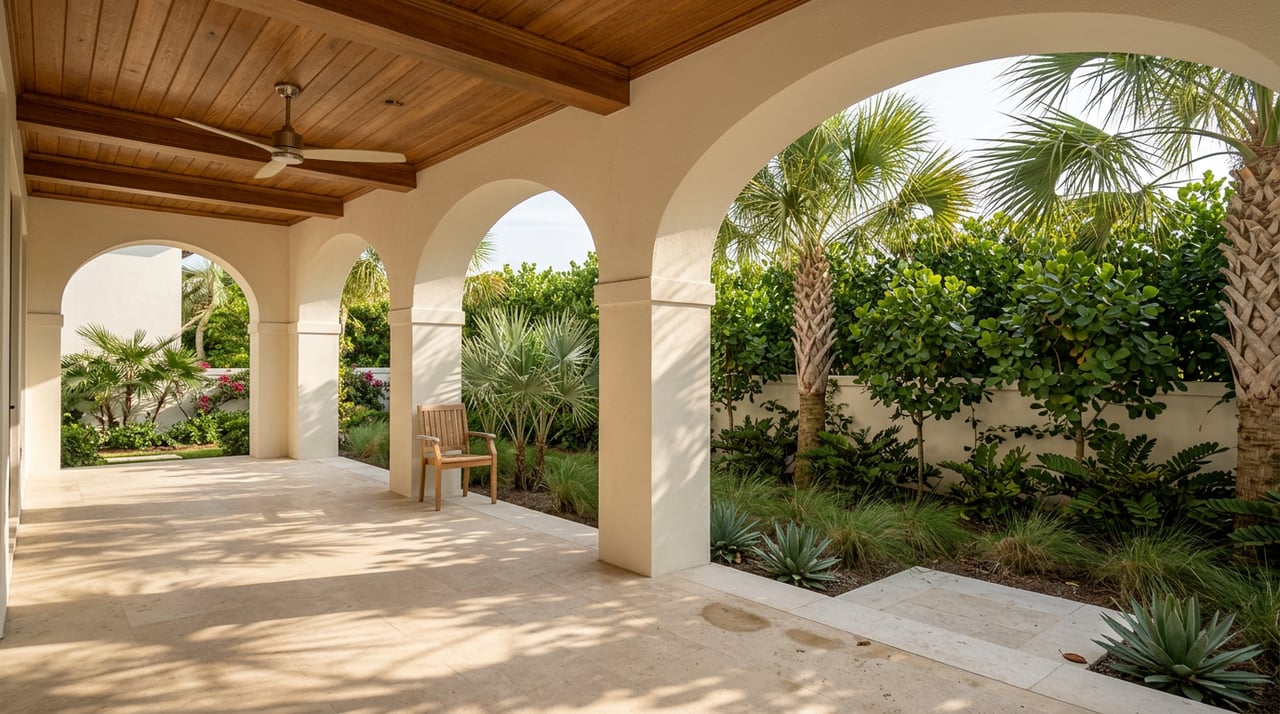
In an urban core, assigned parking and extra storage can be just as valuable as a gym. Confirm whether parking is deeded, assigned, tandem, or valet-only. Review guest parking and visitor policies if you host often. Storage lockers or rooms help make smaller floor plans more livable.
Your next step
Choosing the right amenity mix in Downtown Sarasota is about matching your lifestyle with a building’s service level and financial strength. If you want help comparing buildings, reviewing budgets, or planning a second-home purchase with low-maintenance living, our team can guide you with discretion and local insight. For a private conversation about your goals, connect with Taylor Thompson.
FAQs
What condo amenities add the most value in Downtown Sarasota?
- Location and view drive pricing first, but concierge, security, modern fitness, EV charging, and well-maintained rooftop decks often improve marketability and can support stronger resale.
How do amenities affect monthly HOA dues?
- Staffed services, pool and fitness utilities, insurance, and cleaning increase dues. Reserve contributions for future replacements also factor into monthly costs.
What should I review to assess amenity upkeep and risk?
- Request the budget, reserve study, board minutes, insurance summary, rules, financials, capital project history, and any relevant engineering reports.
Are rooftop pools riskier from a maintenance standpoint?
- Yes. Waterproofing membranes and elevated equipment introduce higher capital costs if repairs are deferred. Ask about membrane age and the reserve schedule.
How do EV chargers work in condo buildings?
- Policies vary. Some owners install dedicated chargers with board approval and pay their own costs. Others rely on HOA-funded systems with submetering for fair billing.
What pet rules are common in downtown buildings?
- Expect limits on size, number of pets, and leash rules, plus possible deposits or fees. Confirm policies and whether on-site pet areas are available.